-
- Picnic BlanketBeach TowelBeach BagBeach Chair CoverTable Cloth CoverBeach MatCamping MatLunch BagHammockCamping Chair
-
Creative Swimming Bag Design Ideas for 2026
Views: 0 Author: Site Editor Publish Time: 2026-07-05 Origin: Site


The standard for aquatic gear storage has shifted from basic mesh sacks to highly engineered, multi-functional systems designed to protect equipment, streamline athlete routines, and offer customized aesthetics. Improper gear storage leads to accelerated equipment degradation, including chlorine damage and mildew. It also causes disorganized transitions during meets and ergonomic strain from poorly distributed weight. Selecting the right swimming bag requires evaluating 2026 design innovations against specific athletic or team requirements. These innovations include advanced wet/dry compartmentalization, sustainable upcycled materials, customized youth layouts, and integrated thermal storage. Athletes need gear that survives daily exposure to harsh pool chemicals while keeping equipment organized. We will break down the exact specifications required to build a functional, long-lasting gear transport system for the upcoming competitive seasons.
- Wet/Dry Separation is Mandatory: Modern designs utilize TPU-lined compartments to isolate wet suits and towels, protecting dry clothes and electronics.
- Material Science Dictates Longevity: Anti-corrosive zippers and UV/chlorine-resistant fabrics are critical for long-term ROI, especially for daily competitive swimmers.
- Ergonomics Over Aesthetics: High-capacity bags must feature load-bearing harnesses, tummy-friendly ruching on straps, and sternum straps to prevent shoulder fatigue.
- Customization and Sustainability Drive 2026 Trends: The market is rapidly shifting toward personalized youth bags, modular team integrations (like insulated snack compartments), and low-investment, eco-friendly DIY luxury designs.
Defining Success Criteria for a High-Performance Swimming Bag
Establishing the baseline requirements for a bag to function effectively in high-moisture, high-chlorine environments is the first step in equipment selection. Elite athletic preparation demands gear that withstands daily exposure to harsh pool chemicals while keeping equipment organized and accessible. Pool decks are unforgiving environments. Bags are dropped on wet tiles, dragged across concrete bleachers, and stuffed into poorly ventilated metal lockers. A successful design must anticipate these physical abuses while maintaining structural integrity and protecting the contents inside.
Advanced Wet/Dry Separation Mechanics
Effective moisture management starts with physical barriers. Seam-sealed internal dry bags offer superior protection for electronics and dry clothing compared to external wet-mesh drop pockets. External mesh pockets often allow residual moisture to seep into the main chassis if the bag rests on wet pool decks. Assessing the volume ratio between wet and dry zones based on training needs ensures you have adequate space for damp towels and suits without compromising dry storage capacity. A standard competitive swimmer requires at least a 40/60 split between wet and dry storage. The wet compartment must feature welded seams rather than stitched seams. Stitched seams, even when taped, eventually degrade under constant exposure to chlorinated water, leading to moisture transfer into the dry zones.
Ventilation and Moisture Management
Trapped moisture breeds bacteria and ruins equipment. Analyzing airflow dynamics in mesh paneling helps prevent mildew buildup inside closed compartments. Strategic drainage grommet placement in base compartments allows excess water from training aids to escape immediately. High-quality designs incorporate cross-ventilation channels that actively cycle air through the main storage areas while the bag is worn. When evaluating ventilation, look for rigid mesh structures that do not collapse when the bag is empty. Collapsible mesh traps damp fabric against the interior walls, defeating the purpose of the ventilation panels. Base grommets should be constructed from marine-grade brass or heavy-duty plastic to prevent rust rings from forming on the bottom of the bag.
Equipment Capacity and Spatial Geometry
A functional design must accommodate standard training tools. Verifying dimensional compatibility with kickboards, pull buoys, and long fins prevents awkward packing configurations. External strapping systems provide essential utility for oversized gear that cannot fit internally. These straps must feature high-tension elasticity to secure bulky items without adding unnecessary width to the bag's profile. The internal geometry should allow a standard kickboard to slide flat against the back panel. This placement provides additional rigidity to the bag and protects the swimmer's spine from irregularly shaped items like goggles or water bottles poking through the fabric.
Modular Packing Geometry for Lightweight Packing
Interior layout design directly impacts weight distribution and encourages packing light. Dedicated quick-access sleeves for swimsuits, caps, goggles, and recovery tools eliminate the need to dig through the main compartment. This modular approach keeps heavier items close to the spine, improving balance and reducing fatigue during long walks across sprawling aquatic facilities. Top-loading designs often fail in this regard, forcing athletes to dump the entire contents to reach a pull buoy stored at the bottom. Clamshell openings or deep U-shaped zippers provide superior visibility and access, allowing swimmers to extract specific items without disturbing the rest of their packed gear.
Top Swimming Bag Design Categories in 2026
Categorizing current market offerings helps align specific user profiles with the right equipment. The 2026 landscape offers distinct solutions for youth, elite competitive athletes, casual swimmers, and eco-conscious consumers. Selecting the wrong category leads to either insufficient storage space or unnecessary bulk.
High-Capacity Competitive Backpacks
Tournament athletes require 35L to 45L capacities to carry multiple technical suits, warm-up gear, and nutrition. Multi-tier compartmentalization ensures goggles, caps, electronics, and recovery tools remain separated and protected. These structured backpacks stand upright on wet pool decks, providing a stable base for rapid gear retrieval between events. The upright stance is achieved through a reinforced, waterproof base pan. This pan prevents the bag from tipping over and absorbing standing water. Competitive backpacks also feature heavy-duty haul handles on the top and front, allowing athletes to grab the bag quickly from crowded locker rooms or transit vehicles.
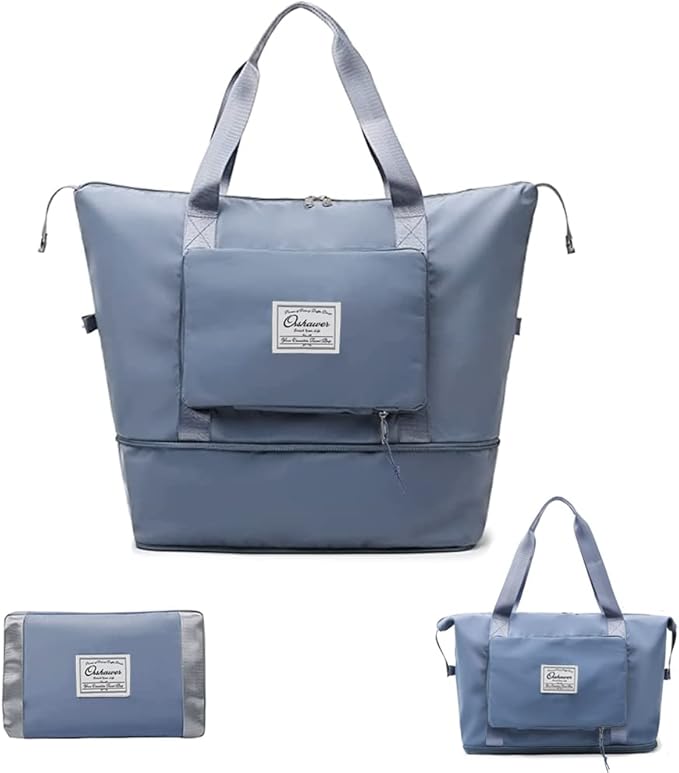
Multi-Functional Duffels and Sporty Handbag Totes
Wide-mouth openings allow for rapid gear access, making duffels and totes highly practical. These designs suit coaches, casual swimmers, or athletes prioritizing horizontal locker storage. Everyday multi-use versatility means these bags transition easily from the pool to the gym or weekend travel, offering flexible packing volumes without rigid internal dividers. Duffels excel in environments where vertical space is limited. However, they require careful packing to maintain a comfortable carrying profile. Asymmetrical strap placement on modern sporty totes helps distribute the load across the shoulder, preventing the bag from sliding off during transit.
Minimalist and Ultralight Mesh Designs
High-denier mesh provides excellent durability against abrasion while remaining incredibly lightweight. These minimalist designs serve perfectly as secondary deck bags for carrying wet training aids directly to the lane line. They are also ideal for low-equipment training days where maximum ventilation supersedes the need for dry storage. Mesh bags have evolved beyond simple drawstrings. Current iterations feature structured bottoms, padded shoulder straps, and small, water-resistant zipper pockets for keys and deck passes. They are the preferred choice for athletes who leave their primary dry bag in the locker room and only bring essential wet gear to the pool edge.
Custom and Modular Team Bags
The rise of DIY-inspired team features has transformed group gear. Integrated insulated snack bags and tummy-friendly ruching on straps cater to long meet days. Personalization options, including nameplates and velcro patch zones, strengthen team identification and streamline logistics during chaotic regional competitions. Modular systems allow teams to issue a standard base bag, while individual athletes purchase add-on modules based on their specific events. A distance swimmer might attach a larger hydration module, while a sprinter might opt for a specialized foam roller attachment.
Personalized Youth and Kid-Friendly Swim Bags
Scaled-down, kid-friendly ergonomics feature easy-grip pullers and simplified buckles that small hands can operate independently. High-visibility personalized design schemes and prominent name labels prevent lost gear at crowded swim meets. These bags focus on visual distinction and straightforward compartment layouts to help young athletes manage their own equipment. Youth bags must prioritize durability over complex features. Children frequently drag their bags across concrete and drop them in puddles. Reinforced abrasion zones on the bottom and lower sides are mandatory to prevent premature blowouts.
Upcycled and Sustainable DIY "Luxury" Swim Bags
Crafting low-investment, luxury-tier pool bags from technical fabric scraps represents a major 2026 trend. Utilizing durable, eco-friendly leftover materials like canvas scraps and neoprene offcuts reduces environmental impact. These upcycled designs offer unique aesthetic appeal while maintaining the performance implications required for aquatic environments. Neoprene offcuts provide excellent natural insulation and water resistance, making them ideal for base panels or wet compartments. Canvas scraps, when treated with modern waterproofing waxes, offer extreme abrasion resistance for the exterior shell.
Evaluating Material and Construction Quality
Technical specifications determine durability and performance. Evaluating materials ensures the bag survives continuous exposure to harsh aquatic environments. You cannot judge a bag solely by its appearance; the underlying fabric architecture and hardware selection dictate its operational lifespan.
Waterproofing Standards and Fabric Denier
Comparing TPU (Thermoplastic Polyurethane), PVC coatings, and DWR (Durable Water Repellent) treatments reveals distinct performance tiers. TPU offers superior flexibility and chemical resistance compared to PVC. Assessing base material thickness, such as 900D polyester, guarantees abrasion resistance when bags are dragged across rough concrete pool decks. DWR treatments are sufficient for the upper sections of the bag that only experience occasional splashing. However, the base and wet compartments require a physical barrier like TPU. PVC is becoming less common due to its tendency to crack in cold weather and its heavier weight profile.
Material Coating Water Resistance Level Flexibility Best Application Area TPU (Thermoplastic Polyurethane) Complete Waterproofing High (Resists cold cracking) Base panels, internal wet compartments PVC (Polyvinyl Chloride) Complete Waterproofing Low (Prone to cracking over time) Heavy-duty external haul bags DWR (Durable Water Repellent) Water Resistant (Sheds light splashes) Very High (Maintains fabric drape) Upper bag chassis, dry compartments Hardware Durability in Corrosive Environments
Heavy-duty, non-metallic or marine-grade coated zippers, such as YKK Vislon, are mandatory. Standard metal zippers corrode rapidly in chlorine-heavy environments. Evaluating stress-point reinforcements, including bar-tack stitching and riveted handles, ensures the bag can handle the dynamic load of wet, heavy equipment without tearing. Zippers are the most common point of failure on aquatic gear. Molded plastic teeth resist salt and chlorine buildup far better than coil zippers. Pull tabs should be oversized and constructed from textured rubber to allow operation with wet, cold hands.
Ergonomics and Load Distribution
Shoulder strap padding density utilizing EVA foam prevents compression over time. Back panel ventilation keeps the wearer comfortable during hot summer meets. Hip belts, sternum straps, and elasticized ruching maintain proper spinal alignment when carrying waterlogged gear, drastically reducing the risk of back strain. Wet towels and training aids add significant weight. A fully loaded 45L bag can easily exceed 25 pounds. The suspension system must transfer this weight from the shoulders to the hips. Look for load-lifter straps at the top of the shoulder harness to pull the weight closer to the body's center of gravity.
Feature-to-Outcome Analysis: Navigating Trade-Offs
Balancing desired features against practical limitations dictates overall value. Every design choice impacts usability and carrying capacity. Adding features usually increases weight and complexity, so athletes must evaluate which additions genuinely improve their daily routine.
Built-in Insulation vs. Total Gear Capacity
Integrated cooler compartments for nutrition and snacks reduce available space for training equipment. Determining if modular or removable insulated inserts offer a better return on space allows athletes to customize their loadout based on the specific demands of practice versus competition days. A built-in cooler is highly convenient for all-day meets but becomes dead weight during a standard two-hour practice. Removable inserts provide the flexibility to adapt the bag's internal volume to the day's specific requirements.
Structural Integrity vs. Empty Weight
Heavy-duty, self-standing bags improve accessibility but add significant baseline weight. Evaluating lightweight ripstop nylon alternatives benefits travel-heavy athletes who must adhere to strict airline carry-on limits while still requiring robust wet/dry separation. A self-standing bag utilizes rigid plastic inserts or heavy foam padding in the side panels. This construction makes packing and unpacking effortless. However, if the athlete commutes via public transit or walks long distances to the facility, the added empty weight becomes a significant detriment.
Premium vs. Budget Price-to-Performance Ratios
Proprietary features like specialized goggle vaults and magnetic closures command higher prices. Assessing whether these additions justify premium price tiers over standard multi-compartment bags requires analyzing how often the athlete actually utilizes these specific organizational tools. A hard-shell goggle vault protects expensive racing goggles from scratches. If the athlete uses basic training goggles, a simple fleece-lined pocket provides adequate protection without the added cost and bulk of a hard shell.
Adoption Risks and Maintenance Realities
Ensuring the chosen bag maintains its functionality over multiple seasons requires proactive maintenance and understanding potential failure points. Even the most advanced materials degrade if neglected. Establishing a strict maintenance protocol is as important as selecting the right bag.
Mitigating Hardware and Seam Failure
Saltwater and chlorine crystallization jam zippers and degrade waterproof tape. Establishing a routine freshwater rinse protocol for the bag's exterior and hardware dissolves chemical buildup. Regularly lubricating zippers with silicone spray extends their operational lifespan significantly. Do not use petroleum-based lubricants, as they attract dirt and degrade the surrounding fabric. Inspect the internal seam tape monthly. If the tape begins to peel, apply a specialized seam sealer immediately to prevent water ingress.
- Empty the bag completely after every practice session.
- Rinse the exterior zippers and hardware with fresh, clean water.
- Apply a silicone-based zipper lubricant every three months.
- Inspect internal seam tape for peeling or cracking.
- Store the bag in a cool, dry place away from direct sunlight.
Managing Odor and Hygiene
Leaving wet gear in non-ventilated compartments leads to permanent fabric odor and mold. Selecting bags with antimicrobial linings provides a first line of defense. Enforcing strict unpacking routines post-practice and leaving compartments open to air dry completely mitigates hygiene risks. Once mildew establishes itself in the fabric fibers, it is nearly impossible to remove completely. Prevention is the only effective strategy. Wipe down the interior of the wet compartment with a mild antibacterial solution weekly to neutralize any lingering organic matter.
Conclusion
- Audit your current training equipment volume to determine the exact capacity required for daily use.
- Verify the locker dimensions at your primary aquatic facilities to ensure your chosen bag fits securely.
- Review manufacturer warranties specifically regarding zipper corrosion and seam failures before finalizing a purchase.
- Establish a strict post-practice unpacking and freshwater rinsing routine to extend the lifespan of the materials.
FAQ
Q: What is the ideal capacity for a competitive swimming bag?
A: Competitive athletes generally require bags between 35L and 45L. This volume accommodates multiple suits, towels, training aids like kickboards and fins, dryland gear, and nutrition, while still fitting inside standard facility lockers.
Q: How do I clean a bag that smells like chlorine and mildew?
A: Empty the bag completely and hand wash it using a mild detergent and warm water. Scrub the interior with a soft brush, rinse thoroughly with fresh water, and hang it upside down in a well-ventilated, shaded area to air dry completely.
Q: Are mesh bags better than waterproof backpacks?
A: Mesh bags offer superior ventilation and are excellent for carrying wet training aids directly on the deck. Waterproof backpacks provide necessary dry storage for electronics and clothes. Many athletes use a large backpack with a smaller mesh bag stored inside.
Q: Why do metal zippers fail so quickly on pool gear?
A: Pool environments are highly humid and saturated with chlorine and other oxidizing chemicals. These chemicals rapidly accelerate the corrosion of standard metal alloys, causing zippers to rust, bind, and ultimately break.
Q: What is the benefit of TPU lining over PVC?
A: TPU (Thermoplastic Polyurethane) is lighter, more flexible, and highly resistant to cracking in cold temperatures compared to PVC. It is also generally considered more environmentally friendly and less prone to off-gassing strong chemical odors.
Q: Can I use a regular gym duffel for swimming?
A: While possible, regular gym duffels lack dedicated wet/dry separation and drainage. Wet swimsuits will quickly soak through the material, damaging dry items and leading to rapid mildew growth within the untreated fabric.