-
- Picnic BlanketBeach TowelBeach BagBeach Chair CoverTable Cloth CoverBeach MatCamping MatLunch BagHammockCamping Chair
-
A Complete Guide to Cleaning and Maintaining Your Swimming Bag
Views: 0 Author: Site Editor Publish Time: 2026-07-05 Origin: Site


Aquatic sports expose high-performance gear to harsh elements daily. Constant contact with chlorine, saltwater, sweat, and damp environments rapidly degrades equipment if left unchecked. When you toss wet towels and damp suits into a dark, enclosed space, you create the perfect microclimate for destruction. A neglected swimming bag quickly becomes a breeding ground for mold, mildew, and bacteria. This neglect leads to foul odors, compromised waterproofing, corroded zippers, and premature replacement costs. The structural integrity of synthetic fabrics breaks down when chemical residues dry and crystalize directly on the fibers. Protecting your equipment investment requires a systematic approach to bag maintenance. Moving from daily moisture management to material-specific deep cleaning protocols ensures your gear remains functional, hygienic, and ready for the next session. Implementing a few simple post-swim habits drastically extends the lifespan of your equipment.
- Daily moisture management is non-negotiable: Immediate emptying and air-drying prevent 90% of mildew and odor issues before they require chemical intervention.
- Hand-washing mitigates structural risk: While some bags survive machine washing, hand-washing with mild detergents is the only verified method to protect waterproof coatings and seam taping.
- Material dictates the method: Mesh, nylon, and PVC dry bags require distinct evaluation criteria for cleaning to prevent UV degradation and chemical breakdown.
- Proactive organization extends lifespan: Utilizing wet/dry compartments correctly reduces internal humidity and protects the bag's structural integrity from sharp training tools.
The Anatomy of a Swimming Bag: Why Maintenance Matters
A well-maintained bag meets specific success criteria. It remains odor-free, features fully functional zippers, retains intact water resistance, and shows no signs of structural tearing. Achieving this baseline requires understanding how aquatic environments attack different materials. You cannot treat a technical sports pack like a standard canvas tote. The materials engineered to keep water out are often the most vulnerable to chemical degradation when water gets trapped inside.
Chlorine and saltwater act as the primary threats to synthetic fibers. When pool water evaporates, it leaves behind concentrated chlorine chemicals. Saltwater leaves behind abrasive salt crystals. Over time, these residues cause a chemical reaction that weakens nylon and polyester threads, making them brittle. Trapped moisture accelerates bacterial and fungal growth, embedding mildew deep into the fabric weave where it becomes nearly impossible to eradicate without damaging the base material.
Different components exhibit specific vulnerabilities. Zipper tracks frequently suffer from corrosion and mineral buildup, causing them to stick or derail. Internal polyurethane (PU) linings are prone to delamination when exposed to excessive heat or trapped humidity, resulting in peeling and a complete loss of water resistance. Mesh panels, while excellent for ventilation, are susceptible to snagging and dry rot if chemical residues compromise their elasticity.
Component Primary Threat Failure Mechanism Prevention Tactic Nylon Shell Chlorine residue Fiber embrittlement and color fading Freshwater rinse after every pool session PU Waterproof Lining Trapped humidity Delamination and peeling Store open in a well-ventilated area Metal/Plastic Zippers Saltwater crystals Track corrosion and slider jamming Brush tracks and apply marine lubricant Mesh Pockets UV exposure Dry rot and loss of elasticity Dry in shaded areas away from direct sun Understanding these failure points changes how you handle your gear. You stop viewing the bag as just a container and start treating it as a piece of technical equipment requiring standard operating procedures for maintenance. The goal is to interrupt the chemical reactions before they compromise the structural integrity of the load-bearing seams and waterproof barriers.
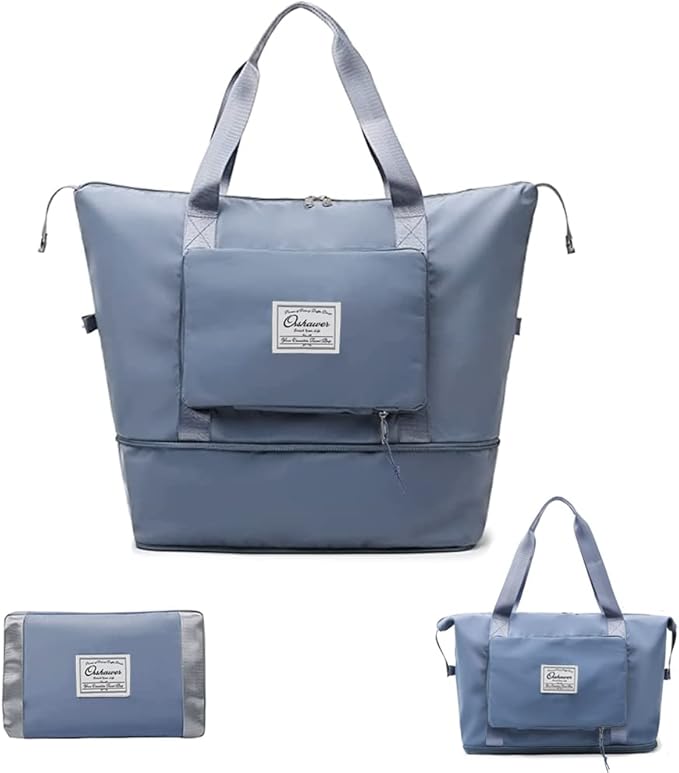
Daily Maintenance Protocols for Your Swimming Bag
Effective maintenance starts the moment you leave the pool deck. The mandatory daily process involves removing all wet gear immediately upon returning home. Rinse the interior with fresh water to dilute chemical residue, and wipe down any water-resistant pockets with a clean, dry microfiber cloth. This simple routine halts the chemical degradation process before it begins.
Proper air-drying techniques dictate the longevity of your gear. Hang the bag upside down in a well-ventilated, shaded area. Leaving compartments unzipped maximizes airflow, allowing trapped moisture in the corners and seams to evaporate completely. Gravity helps pull residual water out of the bottom seams where mold typically takes hold.
- Empty all compartments immediately upon arriving home. Do not leave a single damp item inside.
- Invert the bag over a tub or sink to shake out loose sand, hair, and debris.
- Wipe down the interior waterproof lining with a damp cloth to remove surface chlorine or salt.
- Leave all zippers fully open to maximize cross-ventilation.
- Hang the bag by its bottom loop or invert it over a drying rack in a shaded, room-temperature environment.
Avoid the severe risk of UV damage. Never leave the bag in direct sunlight or bake it inside a hot car. Extreme heat bakes chlorine directly into the fabric and rapidly degrades elastic bands, rubberized bases, and waterproof membranes. UV rays break down the chemical bonds in synthetic polymers, leading to a chalky residue and eventual fabric tearing under load.
Beware of the weekend storage hazard. Leaving damp gear packed over weekends or extended breaks compounds the danger. This "Friday Night" pitfall accelerates bacterial colonies, permanently sets odors into the foam padding, and causes irreversible mildew staining within 48 hours. Once mold penetrates the foam padding of shoulder straps, you cannot wash it out.
For daily odor control and moisture management, integrate passive solutions. Insert silica gel packets, activated charcoal bags, or natural cedar blocks into the main compartments. These desiccants absorb residual ambient moisture and neutralize odors between uses. Replace or recharge these desiccants monthly to maintain their effectiveness.
Deep Cleaning Methods: Evaluating Your Options
When baseline maintenance is insufficient, you must choose between hand-washing and machine-washing. Each method carries distinct efficacy levels, time investments, and risk profiles. You must evaluate the construction of your specific bag before applying water and detergent.
Cleaning Method Efficacy Risk Profile Best Application Hand-Washing High (Targeted stain removal) Low (Protects seams and coatings) Technical bags, PVC, taped seams, heavy padding Machine Washing Medium (General surface cleaning) High (Potential structural failure) Basic mesh bags, unlined nylon (if permitted by care tag) Spot Cleaning Low (Surface level only) Zero Daily maintenance, minor scuffs, localized spills Hand-washing remains the safest approach for technical bags. Fill a large basin or bathtub with lukewarm water. Submerge the bag and agitate the water gently by hand. Use a soft-bristled brush to target stubborn stains or salt lines, scrubbing lightly to avoid abrading the fabric. Rinse thoroughly with cold, fresh water until no soap bubbles remain. Squeeze out excess water gently; never wring or twist the fabric, as this snaps internal waterproof taping.
Machine washing carries significant risks. If attempted, strict parameters are required. Use front-loading machines only, select the delicate cycle, use cold water, and place the bag inside a large mesh laundry sack to prevent straps from wrapping around the agitator. Never use a top-loading machine with a center agitator. The mechanical action of an agitator will tear mesh panels and rip shoulder straps from their anchor points.
Improper machine washing causes catastrophic structural damage. Indicators of failure include shredded mesh panels, melted or delaminated PVC backing, cracked plastic adjustment buckles, and detached seam tape. Bags with rigid base plates, taped seams, or heavy foam padding absolutely disqualify them from machine washing. The spin cycle will warp rigid base plates permanently.
Choosing the right detergent determines the survival of your water-resistant coatings. Use mild, non-biological detergents or specialized wetsuit shampoos designed to neutralize chlorine. Strictly avoid bleach, fabric softeners, and harsh degreasers. These chemicals strip the Durable Water Repellent (DWR) coatings and degrade the structural integrity of the synthetic fibers. Fabric softeners leave a waxy residue that traps future odors and ruins the breathability of mesh panels.
Material-Specific Cleaning Strategies
Mesh fabrics require thorough rinsing to clear trapped sand, salt crystals, and debris from the open-weave structure. Shake the bag out when dry, then rinse under high water pressure. Failing to remove salt makes the mesh brittle, leading to tears under heavy loads. When washing mesh, avoid stiff brushes that can catch and pull the individual threads. Use a sponge to press soapy water through the holes instead of scrubbing across the surface.
Nylon and polyester backpacks demand care to protect the internal polyurethane (PU) coating. Spot-clean the exterior using a damp cloth and mild soap. If the exterior fabric begins "wetting out" (absorbing water rather than beading it off), reapply a DWR spray specifically formulated for synthetic gear after a thorough cleaning and drying cycle. Spray the DWR outdoors, wipe away excess drips, and let it cure for 24 hours before use.
Dry bags and PVC materials require specific care for welded seams and roll-top closures. Wipe down the interior and exterior with a sponge and mild soapy water. Avoid abrasive scrubbers entirely, as they create micro-punctures in the waterproof barrier, rendering the bag useless for keeping gear dry. Pay special attention to the plastic stiffener at the roll-top closure; wipe it clean to ensure it creates a watertight seal when folded.
Canvas and cotton-blend bags, while less common for heavy aquatic use, require distinct handling. They absorb water rapidly and take significantly longer to dry. Wash them in cold water to prevent shrinking and stretch them back into shape while damp. Apply a canvas-specific waterproofing wax to the exterior to improve water resistance, melting the wax into the fibers with a hairdryer for an even coat.
Organization and Packing to Prevent Damage
Strategic packing reduces the maintenance burden and extends the lifecycle of your gear. Efficient organization limits moisture transfer and protects delicate internal linings from mechanical stress. How you load the bag directly impacts how long the zippers and seams will last.
Transitioning from the pool to the shower to street clothes is a common pain point. Isolate wet swimwear and towels from clean, dry apparel by utilizing dedicated wet/dry compartments. If your bag lacks a waterproof compartment, pack wet gear inside a separate, sealed silicone or PVC pouch before placing it in the main compartment. This modular approach contains the moisture and prevents it from seeping into the foam back panels.
Item-specific packing strategies prevent cross-contamination. Wrap damp suits in a towel to prevent chlorine and dye transfer to the bag's liner. Utilize soft, dedicated sleeves for goggles and electronics to protect anti-fog coatings and prevent scratches. Secure toiletries like shampoos and body washes in leak-proof pouches to prevent chemical spills that permanently degrade interior fabrics.
- Place heavy items like fins and water bottles at the bottom to stabilize the load and prevent the bag from tipping over on wet pool decks.
- Store dry clothes in the upper compartments or in a separate dry sack.
- Keep goggles in a hard case to prevent the lenses from being crushed by heavier gear.
- Isolate wet suits in a dedicated waterproof pocket or a secondary silicone bag.
- Keep toiletries in an external pocket to prevent internal spills from ruining the main compartment lining.
Prevent punctures and zipper strain by packing sharp items carefully. Position fins, hand paddles, nose clips, and goggle strap buckles away from the bag's outer walls and internal mesh pockets. Avoid overpacking, which places severe mechanical stress on zipper teeth and stitching, leading to blown seams and derailed sliders. If you have to force the zipper shut, you are damaging the coil.
Troubleshooting Common Swimming Bag Issues
When baseline maintenance fails, specific mitigation strategies can salvage your equipment. You do not always need to throw away a bag just because it smells or has a stuck zipper. Field repairs often extend the life of the gear by several seasons.
To remove stubborn mildew stains, create a safe cleaning protocol using a paste of baking soda and water, or apply diluted white vinegar. Apply the solution to the affected area with a soft brush, let it sit for 30 minutes, and rinse thoroughly. This neutralizes mold spores without bleaching or weakening the fabric. Do not use household bleach; it will eat through the nylon threads and cause the seams to blow out under tension.
Unsticking corroded zippers requires patience. Clear salt and chlorine buildup from the zipper tracks using fresh water and an old toothbrush. Once the track is clean and dry, apply a marine-grade zipper lubricant or natural beeswax to the teeth. Work the slider back and forth gently to distribute the lubricant and restore smooth operation. If the slider is completely seized, soak the affected area in warm water and white vinegar for ten minutes to dissolve the mineral deposits before attempting to move it.
Establish a decision framework for repairing versus replacing. Fixable issues include stuck zippers, minor seam tears, and broken plastic buckles, which can often be remedied with replacement parts or basic sewing. Fatal flaws that require immediate replacement include widespread mold infiltration, completely delaminated waterproofing, and dry-rotted shoulder straps that compromise load-bearing capacity. If the internal PU coating is flaking off like dandruff, the bag is dead.
Conclusion
Consistent, daily fresh-water rinsing and air-drying is vastly superior to infrequent, aggressive deep cleaning. Managing moisture immediately after your swim session prevents the vast majority of structural and hygienic issues.
Your essential maintenance toolkit should include a mild technical detergent, a soft-bristled brush, marine-grade zipper lubricant, and moisture-absorbing inserts. Keeping these items accessible ensures you can address minor issues before they escalate into permanent damage.
- Audit your current gear today by emptying all compartments and checking for early signs of mold or zipper corrosion.
- Establish a strict baseline post-swim routine to rinse and hang your gear immediately upon returning home.
- Purchase a dedicated dry pouch for wet suits to isolate moisture from the main compartment.
- Apply zipper lubricant to all metal and plastic tracks to prevent salt and chlorine buildup.
FAQ
Q: Can I put my swimming bag in the washing machine?
A: Generally, no. Machine washing risks destroying waterproof coatings, melting PVC backings, and tearing mesh panels. If you must, use a front-loading machine on a cold, delicate cycle, and place the bag inside a mesh laundry sack. Hand-washing is always the safer alternative.
Q: How do I get the chlorine smell out of my swim bag?
A: Rinse the bag thoroughly with fresh water after every use. For lingering odors, spray the interior with a mixture of equal parts water and white vinegar, then let it air dry completely in a well-ventilated, shaded area. Activated charcoal inserts also help absorb ambient odors.
Q: How often should I deep clean my swimming bag?
A: If you rinse and air-dry your bag daily, a deep hand-wash is only necessary every three to four months. However, if you notice mildew spots, sticky zippers, or persistent odors, perform a deep clean immediately to halt material degradation.
Q: Why are my swimming bag zippers getting stuck, and how do I fix them?
A: Zippers stick due to mineral buildup from saltwater and chlorine residue. Scrub the zipper teeth with an old toothbrush and warm, fresh water. Once dry, apply a specialized zipper lubricant or natural beeswax to restore smooth movement.
Q: Does leaving wet gear in my bag overnight ruin it?
A: Yes, leaving wet gear overnight creates a humid microclimate that accelerates bacterial growth, sets foul odors, and promotes mildew. Over time, this trapped moisture also degrades the internal polyurethane coatings, causing them to peel and lose water resistance.
Q: Can a leaky shampoo bottle damage my swim bag's waterproof lining?
A: Yes. The chemicals and detergents in shampoos and body washes can chemically react with and break down polyurethane linings and seam tape. Always store toiletries in a separate, leak-proof silicone or PVC pouch to protect the bag's interior.