-
- Picnic BlanketBeach TowelBeach BagBeach Chair CoverTable Cloth CoverBeach MatCamping MatLunch BagHammockCamping Chair
-
What Features to Look for in a Swimming Bag
Views: 0 Author: Site Editor Publish Time: 2026-07-04 Origin: Site


Aquatic environments destroy standard athletic gear fast. Chlorine degrades untreated nylon, trapped moisture breeds mold, and standard metal zippers rust within weeks. Swimmers relying on generic backpacks quickly hit these walls. Standard gym bags fail to isolate wet gear from dry valuables. They lack the structural integrity to handle heavy, waterlogged equipment and offer zero airflow. This leads to premature wear and persistent locker room odors. Evaluating a purpose-built swimming bag requires looking past aesthetics. You need to focus on material science, volumetric capacity, compartmentalization, and ergonomic support. A well-engineered bag acts as a protective barrier, keeping dry clothes safe while actively managing moisture from wet suits. Understanding the specific features that differentiate aquatic-specific gear from standard luggage ensures long-term durability and streamlines your daily transition from the pool deck to the street.
Key Takeaways
- Capacity Dictates Utility: Selecting the correct liter volume (ranging from 15L minimalist bags to 45L+ competitive bags) is the primary decision factor, directly tied to training intensity and equipment needs.
- Ventilation is Non-Negotiable: Strategic mesh paneling and drainage systems are required to prevent bacterial growth and fabric degradation from trapped chlorinated water.
- Wet/Dry Isolation: A true swimming bag must feature impermeable internal barriers to protect electronics, dry clothing, and towels from wet suits and training aids.
- Hardware Durability: Zippers and structural seams must be specifically engineered to resist corrosion from chlorine, salt water, and constant humidity.
Defining Your Success Criteria: Why Standard Bags Fail in Aquatic Environments
The environmental stressors present in a natatorium or open-water setting are relentless. Continuous exposure to chlorine, bromine, saltwater, and high-humidity locker rooms breaks down standard polyurethane coatings and causes untreated nylon to rot. When a wet towel and swimsuit sit in an unventilated compartment, the trapped moisture creates an ideal breeding ground for mildew. Standard athletic bags simply cannot handle this chemical and moisture reality. They typically feature a single main compartment, standard woven nylon, and metal zippers that seize up after a few months of pool exposure.
Contrasting a standard gym bag with a dedicated aquatic bag reveals significant structural differences. Aquatic bags utilize chemically treated materials, integrated drainage ports, and strict compartmentalized moisture control. To establish your own evaluation metrics, assess your daily gear load. Consider the physical footprint of your towels, kickboards, fins, and paddles. Measure your typical locker dimensions. An oversized bag that cannot fit into a standard half-locker becomes a daily frustration. Furthermore, your transportation method—whether you walk, cycle, or drive to the pool—dictates the necessary ergonomic support.
Many swimmers encounter the "always stuffed" 30-liter reality. User feedback frequently highlights a disconnect between perceived volume and actual storage capability. Poor interior organization makes a 30L bag feel completely full with just a single towel, a change of clothes, and footwear. Without dedicated zones for bulky items, the internal space becomes inefficient, forcing you to dig through wet gear to find dry essentials.
Core Evaluation Dimensions: Essential Swimming Bag Features
Capacity and Volume (The Sizing Framework)
Selecting the right size is the foundational step in choosing your gear. Capacity directly dictates utility, and matching the bag's volume to your training intensity prevents both overcrowding and unnecessary bulk. You need enough room to pack efficiently without stressing the seams.
Minimalist or recreational bags typically range from 15L to 25L. This size works for swimmers who only carry a suit, cap, goggles, and a single microfiber towel. However, this capacity shows severe limitations during winter training when bulkier dry clothes, heavy coats, or boots are required. It leaves virtually no room for training aids like kickboards or fins.
The standard training capacity sits in the 30L to 35L range. This is widely considered the sweet spot for daily lap swimmers. It solves the common dilemma of fitting a change of professional clothes alongside basic training aids like pull buoys and smaller fitness fins. Bags in this volume range generally maintain a profile slim enough to fit into standard gym lockers without requiring excessive force.
Competitive swimmers and coaches require high-volume bags, usually 40L and above. These massive carriers handle multiple towels, heavy parkas, full-sized training fins, foam rollers, and dryland resistance bands. While they offer maximum storage, their sheer size makes locker storage difficult and transit cumbersome.
Bag Category Volume Range Ideal User Profile Typical Gear Load Minimalist 15L - 25L Recreational / Summer Swimmers Suit, cap, goggles, thin towel, small toiletries. Standard Training 30L - 35L Daily Lap Swimmers Change of clothes, pull buoy, short fins, standard towel. Competitive 40L+ Athletes / Coaches Multiple towels, parka, long fins, dryland gear, foam roller. Moisture Management and Ventilation Systems
Active airflow is critical for any equipment exposed to water. Strategic mesh paneling utilizing 3D mesh and open-weave fabrics facilitates continuous air circulation into wet compartments. This active airflow significantly reduces drying time and prevents the buildup of odor-causing bacteria. Without these panels, trapped chlorinated water accelerates the breakdown of synthetic fibers, weakening the bag's structural integrity.
In addition to airflow, gravity-based water removal is essential. Drainage grommets—reinforced holes located at the lowest point of wet compartments—allow excess water from unwrung suits or freshly used gear to escape. This prevents water from pooling at the bottom of the bag, which would otherwise soak through to adjacent compartments or weigh the bag down unnecessarily.
Wet/Dry Compartmentalization
A functional aquatic bag relies on strict segregation of its contents. Waterproof internal pockets are a technical requirement. These pockets must be lined with TPU (Thermoplastic Polyurethane) or PVC coatings and feature sealed seams. This construction guarantees the protection of smartphones, wallets, and dry clothing from the dampness of adjacent gear.
The dedicated footwear barrier is another critical feature. Pool deck sandals and sliders pick up dirt, hair, and bacteria from locker room floors. Isolated bottom or side compartments specifically designed for footwear prevent cross-contamination with clean apparel and fresh towels.
Many premium models include a "dirt bag" or wet pouch. This is a removable or dedicated waterproof sleeve specifically designed for isolating heavily chlorinated suits immediately after a swim. By containing the most saturated item, the rest of the bag's interior remains relatively dry and protected from concentrated chemical exposure.
Material Durability and Water Resistance
The exterior fabric must withstand daily abuse on rough pool decks and concrete floors. High-denier polyester, ripstop nylon, and tarpaulin are the industry standards. Tarpaulin offers superior water resistance and wipe-clean convenience, while high-denier ripstop nylon provides an excellent strength-to-weight ratio, resisting tears from sharp locker edges.
Hardware selection is where many bags fail. Anti-corrosion hardware is an absolute necessity. Heavy-duty, oversized plastic zippers, such as marine-grade YKK components, must be chosen over standard metal zippers. Metal zippers will inevitably rust, corrode, and seize when repeatedly exposed to pool chemicals and ambient humidity.
The foundation of the bag requires special attention. A waterproof base construction featuring a rubberized or heavily coated, abrasion-resistant bottom panel protects your gear when the bag is placed directly onto wet, abrasive pool decks or flooded locker room floors. This barrier prevents moisture from wicking upward into the main compartment.
Ergonomics and Structural Support Under Load
Waterlogged gear is significantly heavier than dry gym apparel. Carrying wet towels, saturated suits, and solid rubber fins places considerable strain on the shoulders and back. Ergonomically contoured, padded shoulder straps are vital for distributing this weight evenly. Breathable back panels featuring channeled foam help dissipate heat and prevent sweat buildup during transit.
For heavier loads, secondary stabilization is required. Sternum straps and waist belts keep the bag securely anchored to the torso. This stabilization is particularly crucial for swimmers who commute to the pool via bicycle, motorcycle, or crowded public transit, as it prevents the heavy load from shifting unexpectedly and throwing the rider off balance.
Specialized Compartments and Organizational Features
Granular organization elevates a bag from a simple sack to a highly functional tool. Secure small-item pockets are necessary for fragile gear. Dedicated, scratch-free micro-fleece lined pockets protect expensive anti-fog goggles. Secure inner mesh pockets or integrated tethers are essential for keeping tiny, easily lost items like earplugs, nose clips, and spare silicone cap bands accessible.
Liquid containment is another priority. A spill-proof toiletries sleeve—a leak-resistant compartment—is designed to contain potential accidents from shampoo bottles, body wash, or chlorine-removal lotions. This prevents a loose bottle cap from ruining a clean change of clothes.
External quick-access storage enhances daily usability. Deep, elasticized side pockets are ideal for holding large hydration vessels, water bottles, or recovery protein drinks, keeping them upright and easily reachable without opening the main compartments.
Competitive swimmers frequently employ the two-bag system. This involves utilizing a smaller, fully mesh drawstring bag inside the primary carrier. This system allows swimmers to load their wet training aids (paddles, pull buoys, snorkels) into the mesh insert, carry only that insert directly to the pool edge, and leave the bulky main bag safely secured in the locker room.
Solution Categories: Matching the Bag Style to the Swimmer
The aquatic backpack is the industry standard for competitive athletes and dedicated daily swimmers. Its vertical orientation is specifically designed to fit into narrow locker room lockers. The backpack style offers superior ergonomic weight distribution across both shoulders and typically features the most advanced multi-tiered compartmentalization for separating wet and dry goods.
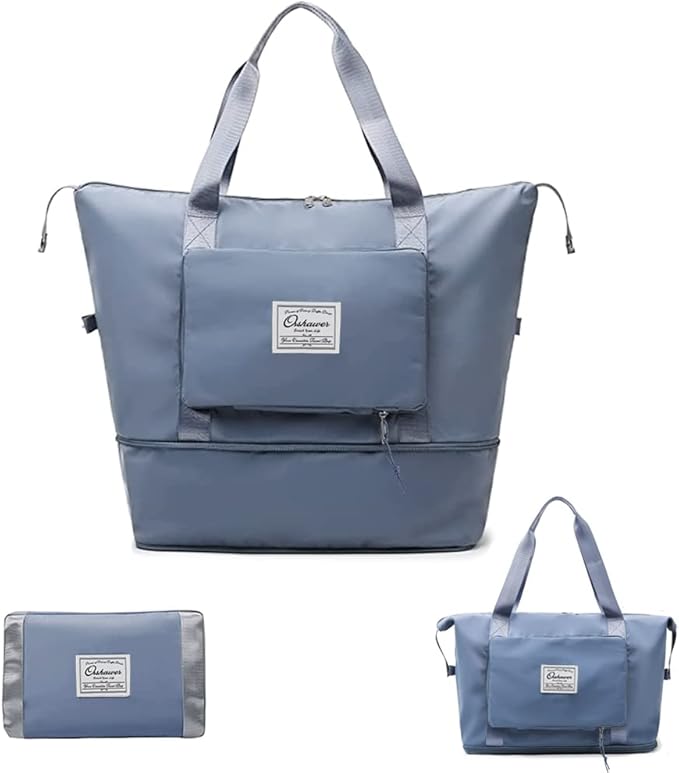
The swim duffel provides an alternative approach. Duffels offer wide, U-shaped openings that provide immediate visual access and easy retrieval of bulky gear like foam rollers or large towels. However, they often lack the granular organization of backpacks and can be cumbersome to carry over long distances, as the single shoulder strap concentrates weight asymmetrically.
The standalone mesh equipment bag serves as a supplementary or highly minimalist option. These bags are exceptionally breathable, lightweight, and inexpensive. However, they offer zero protection for dry goods, electronics, or clean clothes. Premium mesh bags feature non-binding drawstring closures that remain easy to operate with wet, cold hands, and often include integrated shoulder straps for easier carrying from the car to the deck.
Implementation Risks and Conceptual Trade-Offs
Selecting the perfect gear involves navigating inherent trade-offs. The size versus convenience conflict is the most common issue. A massive 45L bag will comfortably hold every piece of equipment you own, but it will frequently struggle to fit into standard half-size lockers. You may be forced to cram the bag in, potentially damaging the zippers or the items inside.
Complexity versus maintenance is another consideration. A bag with a dozen pockets and multiple zippers offers excellent organization, but it also presents more potential points of failure. Furthermore, intricate pocket layouts create more dark, damp corners where mildew can hide if the bag is not meticulously dried.
Implementing a strict care and maintenance strategy mitigates these risks. Extending the lifespan of your gear requires routine fresh-water rinsing to remove chlorine residue. You must commit to a weekly complete emptying of the bag, allowing it to air-dry fully inside out. Additionally, periodically lubricating the plastic zippers with silicone spray or zipper wax prevents them from becoming stiff and brittle over time.
Conclusion
- Audit your current daily gear load to determine your exact volume requirements before making a selection.
- Measure the dimensions of the lockers at your primary pool to ensure your chosen bag will fit without forcing it.
- Prioritize bags with heavy-duty plastic zippers and a rubberized base to guarantee longevity in harsh chemical environments.
- Implement a two-bag system using a mesh insert if you regularly carry wet training aids to the pool edge.
- Establish a weekly routine of emptying, rinsing, and air-drying your bag to prevent mildew and fabric degradation.
FAQ
Q: What size swimming bag do I need for daily training?
A: For daily lap swimming, a 30L to 35L bag is ideal. This capacity comfortably holds a towel, a change of clothes, basic toiletries, and standard training aids like a pull buoy and short fins, while still fitting easily into standard gym lockers.
Q: How do you keep a swimming bag from smelling like mildew and chlorine?
A: Prevent odors by never leaving wet gear inside overnight. Empty the bag immediately after use, utilize bags with strategic mesh ventilation, and perform a weekly deep clean by wiping the interior with a mild soap solution and letting it air dry completely.
Q: Can I use a regular gym backpack for swimming?
A: While possible, it is not recommended. Regular gym backpacks lack waterproof compartments, drainage grommets, and chlorine-resistant materials. Wet suits will soak through to dry clothes, and standard metal zippers will quickly rust in the humid environment.
Q: What is the purpose of a mesh swim bag insert?
A: A mesh insert allows you to carry wet training aids directly to the pool deck while leaving your main bag and dry valuables secure in the locker room. It also allows gear to drip dry efficiently.
Q: How do you clean and maintain a waterproof swimming bag?
A: Rinse the exterior and interior with fresh water to remove chlorine and salt. Wipe down TPU-lined pockets with a damp cloth. Leave all compartments unzipped and air dry in a well-ventilated area away from direct sunlight to prevent material cracking.
Q: Do I need a separate compartment for wet swimsuits and pool deck sandals?
A: Yes. Separate compartments prevent cross-contamination. A dedicated wet pouch keeps chlorinated moisture away from dry clothes, while a separate shoe compartment keeps dirt and locker room bacteria away from clean towels and apparel.
Q: What should I look for in a bag if I have to walk or bike to the pool?
A: Prioritize a backpack style with ergonomic, padded shoulder straps and a breathable back panel. Ensure it includes a sternum strap and waist belt to stabilize the heavy, shifting weight of wet gear during your commute.