-
- Picnic BlanketBeach TowelBeach BagBeach Chair CoverTable Cloth CoverBeach MatCamping MatLunch BagHammockCamping Chair
-
Tips for Packing Your Swimming Bag Efficiently
Views: 0 Author: Site Editor Publish Time: 2026-07-02 Origin: Site


Locker room chaos frustrates many swimmers on a daily basis. You know the feeling of digging through a disorganized pile of gear, only to find your dry clothes soaked by a wet towel. Trying to get dressed on a wet, cramped locker room floor adds unnecessary friction to your routine. Poor packing methodologies lead directly to accelerated gear degradation. Mold sets in quickly, chlorine damages delicate fabrics, and lost items disrupt your training consistency. You need a systematic approach to organizing your gear. A well-packed swimming bag eliminates these headaches before and after your workout. By focusing on wet/dry compartmentalization, chronological packing workflows, and selecting the right bag architecture, you protect your equipment. This structured method streamlines your transition times, keeps your dry clothes dry, and lets you focus entirely on the water.
Key Takeaways
- Workflow-Based Packing: Packing efficiency relies on reverse-chronological layering—placing post-swim items at the bottom and pre-swim essentials at the top.
- Strict Wet/Dry Separation: Utilizing dedicated waterproof compartments or secondary dry bags is non-negotiable for protecting electronics, dry clothes, and the bag's interior.
- Architecture Matters: The choice between a swim backpack and a duffel bag dictates vertical vs. horizontal organization and impacts locker room footprint.
- Moisture Management: Proactive ventilation and immediate post-swim unpacking protocols are required to prevent mildew and extend the lifespan of both the gear and the swimming bag.
Success Criteria for an Organized Swimming Bag
Wet/Dry Separation Mechanics
Isolating chlorine-soaked gear from dry apparel and electronics is an absolute necessity. Chlorine and pool water will quickly ruin smartphones, degrade dry fabrics, and create a breeding ground for bacteria. You must establish a strict physical barrier between these two categories. Built-in waterproof compartments offer seamless integration for wet suits and towels. However, modular packing cubes and standalone dry bags provide superior flexibility. A secondary dry bag allows you to seal away soaking wet items completely, ensuring zero moisture transfer to the main compartment. When selecting dry bags, look for roll-top closures and welded seams. These features guarantee that even if the dry bag sits upside down inside your main compartment, water will not leak out onto your clean clothes.
Accessibility and Locker Room Workflow
Bag layout directly impacts your transition speed. Minimizing the need to completely empty your bag to find a single item saves valuable time. The Wet-Floor Transition Workflow requires sequentially extracting towels and clean clothes without letting them touch wet locker room floors. You must also prevent them from getting splashed during the shower-to-change sequence. High-visibility interiors, often featuring bright yellow or orange linings, help you locate dark items quickly in poorly lit locker rooms. Quick-access pockets are essential for high-frequency items like goggles, caps, pool passes, and identification cards. Keep these small items in exterior zippered pockets so you never have to open the main compartment just to scan your gym card.
Locker Room Hygiene and Footwear Isolation
Locker room floors harbor bacteria and fungi. You must pack sandals, flip-flops, or pool shoes carefully so their dirty soles do not contaminate clean towels or apparel. Never throw loose shoes directly into the main compartment. Utilize exterior bungee systems to strap footwear to the outside of the bag. Alternatively, use isolated bottom shoe compartments specifically designed for footwear. This keeps debris and fungal hazards away from your clean gear. If your bag lacks a dedicated shoe compartment, place your sandals in a simple plastic grocery bag before packing them. This creates a cheap, effective barrier against cross-contamination.
Gear Protection and Ventilation
Moisture buildup destroys athletic gear over time. Mesh paneling and drainage holes play a critical role in mitigating trapped humidity. These features allow air to circulate, drying damp items passively while you travel home. You also need padded zones to protect sensitive equipment. Anti-fog goggle lenses scratch easily, and electronics require cushioning from heavy training aids like rigid kickboards and dense rubber fins. Look for bags featuring closed-cell EVA foam padding along the back panel and bottom base. This foam absorbs impact when you drop the bag onto hard tile floors, protecting your phone and smartwatch stored inside.
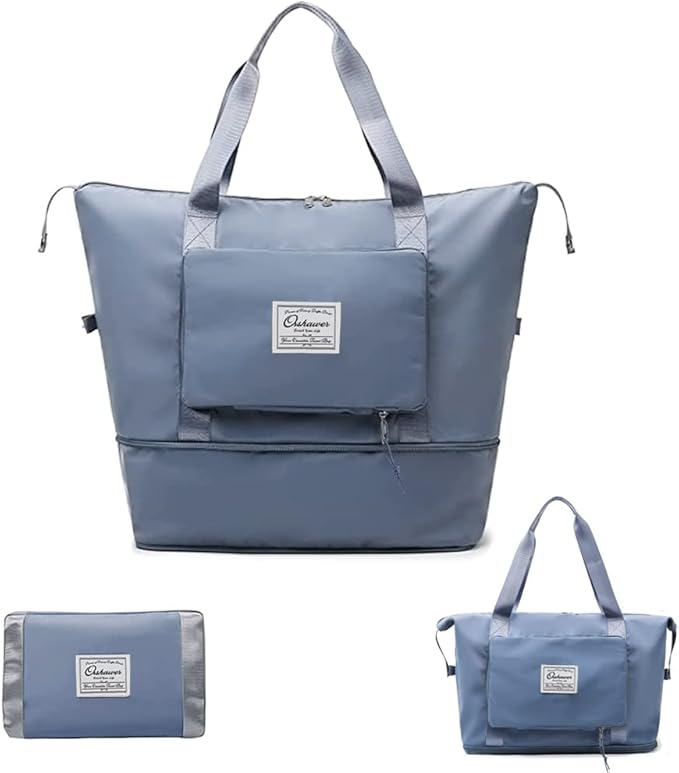
Choosing the Right Swimming Bag Architecture
Swim Backpacks vs. Duffel Bags: Conceptual Trade-Offs
Selecting the correct architecture determines how you interact with your gear daily. Swim backpacks offer vertical storage benefits and ergonomic weight distribution. They are ideal for bikers and walkers navigating public transit. Backpacks also occupy a smaller locker footprint, fitting easily into narrow gym lockers. However, their narrow openings can make retrieving bottom-layer items difficult. Duffel bags provide horizontal access and superior capacity for bulky training aids like fins and kickboards. They are easier to pack but can cause shoulder strain and feel bulky in tight locker rooms.
Feature Swim Backpack Duffel Bag Access Style Vertical (Top-loading) Horizontal (Wide opening) Locker Footprint Minimal (Stands upright) Large (Requires wide shelf) Ergonomics Excellent weight distribution Prone to single-shoulder strain Bulky Gear Capacity Limited by narrow width Excellent for fins and boards Transit Suitability Ideal for cycling and walking Better for car trunks Evaluating Material Durability and Drainage
Industry-standard materials dictate the lifespan of your bag. Ripstop nylon offers lightweight tear resistance, preventing small punctures from expanding. TPU coatings provide excellent water resistance against wet pool decks. Heavy-duty polyester withstands daily abrasion against concrete benches and metal lockers. You must examine the necessity of reinforced, waterproof base panels. A waterproof bottom protects your gear when the bag is placed directly on wet locker room tiles or muddy outdoor surfaces. Zippers also matter. Look for oversized, corrosion-resistant zippers. Standard metal zippers will rust and seize up after a few months of exposure to chlorine and salt water.
Capacity Sizing for Specific Use Cases
Choosing the right volume prevents overstuffing or carrying unnecessary bulk. Use this framework for sizing, measured in liters, to match your specific training requirements:
Capacity (Liters) Target User Typical Gear Loadout 25L - 30L Daily Lap Swimmer Towel, suit, goggles, cap, basic toiletries, change of clothes. 35L - 45L Competitive Athlete Multiple suits, large towel, fins, pull buoy, paddles, kickboard, nutrition. 50L+ Coaches / Multi-Day Meets Deck parka, multiple towels, foam roller, clipboard, extensive dry clothes. The Chronological Packing System (Layering Strategy)
Base Layer: Post-Swim Dry Clothes and Towels
Pack items needed last at the very bottom of the bag. Your post-swim dry clothes and towels form the foundation. Roll your towels tightly to maximize spatial efficiency. Microfiber alternatives save significant space compared to traditional cotton terry. Rolling creates a stable, structured base that helps the bag stand upright and prevents softer items from shifting during transit. Follow this sequence for the base layer:
- Lay your towel flat on a clean surface.
- Fold it in half lengthwise.
- Roll it tightly from one end to the other, creating a dense cylinder.
- Place the rolled towel horizontally at the bottom of the bag.
- Pack your dry socks and underwear inside your dry shoes, then place them next to the towel.
- Roll your dry shirt and pants, placing them directly on top of the towel base.
Middle Layer: Bulky Training Aids
The middle layer houses your rigid equipment. Nest rigid items like kickboards, pull buoys, fins, and paddles together. Proper nesting prevents awkward bulging and uncomfortable weight imbalances against your back. Place the flat kickboard against the back panel of the bag to create a rigid frame. Slide the pull buoy into the curve of the kickboard. If internal volume is tight, utilize external mesh pockets for wet training aids. Strapping long-blade fins to the outside saves massive amounts of internal space for dry goods. Keep hand paddles in a separate mesh pouch so their rubber straps do not tangle with your swimwear.
Top Layer: Pre-Swim Essentials
Position your swimwear, caps, and goggles at the very top. This guarantees immediate, zero-friction access upon arrival at the pool. You should not have to dig to start your workout. Always use hard cases for goggles. Leaving goggles loose exposes delicate anti-fog coatings to scratches from zippers, keys, or abrasive training paddles. Keep a spare swim cap and an extra pair of goggles in this top layer. Goggle straps snap unexpectedly, and having a backup readily available prevents a ruined training session.
Outer and Specialized Compartments: Toiletries, Hydration, and Nutrition
Isolate liquid toiletries like shampoo, conditioner, and chlorine-removal body wash in leak-proof side pockets. A shampoo explosion ruins clean clothes instantly. Dedicated storage is required for sunscreens, lip balms, and UV protection. Emphasize the isolation of greasy creams to prevent leakage onto technical swim gear. Store water bottles and pre/post-workout nutrition in easily accessible, non-crush zones on the exterior. Use carabiners to clip reusable water bottles to external daisy chains if the side pockets are full.
Managing Implementation Risks: Moisture, Mold, and Forgotten Gear
Post-Swim Unpacking Protocols
Bag rot is a serious reality for negligent swimmers. You must establish a mandatory routine of removing wet gear immediately upon returning home. Rinse your swimwear in fresh cold water to halt chlorine degradation. Hang the bag open in a well-ventilated area to air dry. Ignoring this protocol guarantees mildew growth and permanent odor retention. Never leave a damp bag in the trunk of a hot car. The heat bakes the chlorine into the fabric, destroying the elasticity of your swimsuits and degrading the waterproof coatings on the bag's interior.
Utilizing Modular Dry Bags and Waterproof Pouches
Mitigate the risk of internal bag leaks by using secondary pouches. Silicone or polyurethane pouches isolate soaking wet suits and caps. Even if your primary bag has a wet compartment, a secondary dry bag provides an insurance policy against zipper leaks or seam failures. This redundancy keeps your dry clothes perfectly safe. You can also use small, clear waterproof pouches for your phone and wallet. This allows you to check messages on the pool deck with wet hands without risking water damage to your electronics.
The "Night Before" Checklist and Lay-Out System
Morning-of packing leads to forgotten goggles and ruined workouts. The Flat-Lay Verification Method eliminates these errors. Physically lay out all gear on a flat surface before packing. Inspect your goggles, cap, suit, towel, sandals, and toiletries to guarantee no critical single-point failures. Use a standardized checklist categorized by function:
- Core Swim: Primary suit, drag suit, primary goggles, backup goggles, silicone cap.
- Training Aids: Short-blade fins, hand paddles, pull buoy, center-mount snorkel.
- Post-Swim Hygiene: Microfiber towel, chlorine-removal body wash, shampoo, moisturizer, deodorant.
- Recovery: Insulated water bottle, protein bar, dry clothes, clean socks.
Specialized Packing Scenarios
Packing for Triathlon Transitions
Triathlon transitions require a modified packing methodology. You need rapid access during T1 (swim-to-bike). Manage your wetsuits, anti-chafe balms, and transition towels carefully. Roll the wetsuit to avoid creasing the neoprene. Place cycling gear in a distinct, easily reachable zone. The layout must allow you to grab your helmet and bike shoes without displacing your wet swim gear. Use a brightly colored transition towel placed at the very top of the bag. This gives you an immediate visual marker when running into the transition zone and provides a clean surface to stand on while stripping off your wetsuit.
Organizing for Multi-Day Away Meets
Multi-day meets require scaling your packing system. You must manage multiple race suits, extra towels, deck parkas, and extended nutrition needs. Use strict compartmentalization to separate day-one wet gear from day-two dry gear. Pack extra plastic bags to seal away soaking wet towels that cannot be dried overnight in a hotel room. Keep race day nutrition in a crush-proof container at the top of the bag. Bring a portable hanging rack or heavy-duty suction cup hooks to hang wet tech suits on hotel shower glass, keeping them out of your bag entirely during the overnight recovery period.
Conclusion
An efficiently packed bag requires the right hardware and a disciplined packing methodology. You need a bag architecture that supports your specific gear volume. Audit your current gear volume and locker room frustrations. If you constantly struggle with wet clothes or lack of space, upgrade your equipment and change your habits.
- Empty your current bag completely and discard any expired toiletries or broken gear.
- Acquire modular dry pouches to isolate your wet suits and liquid toiletries.
- Implement the chronological layering system, packing post-swim items at the bottom and pre-swim gear at the top.
- Adopt the flat-lay verification method the night before every swim session.
FAQ
Q: How do you keep wet clothes from smelling in a swimming bag?
A: Remove wet clothes immediately after your workout. Rinse swimwear in cold, fresh water to remove chlorine. Use a dedicated waterproof pouch during transit, and always leave the main bag open to air dry completely at home.
Q: What size swimming bag do I need for daily training?
A: A 25L to 30L capacity is ideal for standard daily lap swimming. This size comfortably holds a towel, swimsuit, goggles, cap, change of clothes, and basic toiletries without feeling overly bulky in a standard locker.
Q: Should I choose a backpack or a duffel for my swimming bag?
A: Choose a backpack for better weight distribution, easier commuting, and a smaller locker footprint. Choose a duffel if you carry large, bulky training aids like rigid fins and kickboards that require a wide horizontal opening.
Q: How do you pack a towel to save space in a swim bag?
A: Roll the towel tightly into a cylinder rather than folding it flat. Place this rolled towel at the very bottom of the bag to create a stable base. Consider switching to a microfiber towel to save even more space.
Q: What are the essential items to keep in a swimming bag?
A: Essentials include a swimsuit, well-fitted goggles, a swim cap, a highly absorbent towel, pool sandals, chlorine-removing body wash, and a water bottle for hydration. Always carry a spare pair of goggles.
Q: How often should I clean or wash my swimming bag?
A: Wipe down the interior weekly with a damp cloth and mild soap to remove chlorine residue. Perform a deep clean every month by hand washing the bag and letting it air dry completely in a well-ventilated area.
Q: Can I put wet training fins inside my main bag compartment?
A: It is better to strap wet fins to the exterior using bungee cords or place them in external mesh pockets. If they must go inside, dry them thoroughly first to prevent moisture transfer to your dry clothes.