-
- Picnic BlanketBeach TowelBeach BagBeach Chair CoverTable Cloth CoverBeach MatCamping MatLunch BagHammockCamping Chair
-
Best alternatives to traditional insulated lunch bags.
Views: 0 Author: Site Editor Publish Time: 2026-07-09 Origin: Site


Daily meal transport often means dealing with broken zippers, weird smells, and smashed sandwiches. The standard soft-sided carrier usually fails to keep perishables below the 40°F safety mark by noon. You end up with warm yogurt and wilted greens. Consumers need a reliable food transport system that holds safe temperatures, looks professional, and cleans up fast. We have moved past basic foil-lined totes. Modern upgrades include hard-sided micro-coolers, integrated freezable gel walls, and modular bento systems. These options solve the structural and thermal failures of older designs. Evaluating these upgrades requires looking at thermal architecture, material durability, and daily maintenance requirements. This guide breaks down the technical specs to help you pick the right meal transport upgrade based on your daily routine. You will learn how to match container geometry to bag dimensions and optimize packing techniques for maximum cold retention.
Key Takeaways
- Thermal Performance Varies by Architecture: Hard-sided boxes and bags with built-in freezable gel walls significantly outperform traditional thin-foam insulation in cold retention testing.
- Modularity Trumps Raw Capacity: The best alternatives prioritize structured, modular packing (like bento compatibility and specialized salad bowl integration) over deep, unstructured cavities that lead to crushed meals.
- Durability is in the Hardware: Long-term value (Buy-It-For-Life) hinges on zipper quality (e.g., YKK), welded seams, and puncture-resistant exterior textiles, not just the insulation material.
- Maintenance Dictates Lifespan: Seamless, waterproof interior liners are non-negotiable for preventing mold growth and bacterial buildup common in traditional stitched bags.
Why the Traditional Insulated Lunch Bag Fails
The Limits of Basic Foil and PEVA Foam
Thin polyethylene foam lacks the density required to block ambient heat transfer effectively. Physics dictates that thin insulation layers cannot maintain internal temperatures below safe thresholds for more than two to three hours without relying on massive, space-consuming ice packs. The thermal resistance, or R-value, of standard 3mm to 5mm PEVA foam is simply too low to combat hot summer air or heated office environments. When upgrading from a basic insulated lunch bag, users immediately notice the structural weakness of soft-sided designs. These flexible walls offer zero crush protection. Delicate items like sandwiches, soft fruits, and fragile snacks remain vulnerable to damage during transit. If you toss a soft bag into a crowded backpack or the back seat of a work truck, the contents will get smashed. Furthermore, the lack of rigidity means cold air escapes easily every time the bag flexes or bends, accelerating the warming process.
Hygiene and Maintenance Realities
Stitched interior seams act as traps for moisture, spilled liquids, and food crumbs. This structural flaw inevitably leads to mold growth and persistent odors that you cannot easily wash away. Traditional manufacturing relies on needle-and-thread stitching, which punctures the interior lining thousands of times. Every single needle hole is a pathway for soup broth or salad dressing to seep into the foam core. Once organic matter reaches the internal foam, bacterial growth is guaranteed. Cheap foil liners degrade rapidly under normal use. After repeated wiping or accidental machine washing, the foil cracks, peels, and flakes off. This destruction ruins both the thermal integrity and the sanitary surface of the carrier. You end up with silver flakes on your food containers and a bag that smells like sour milk.
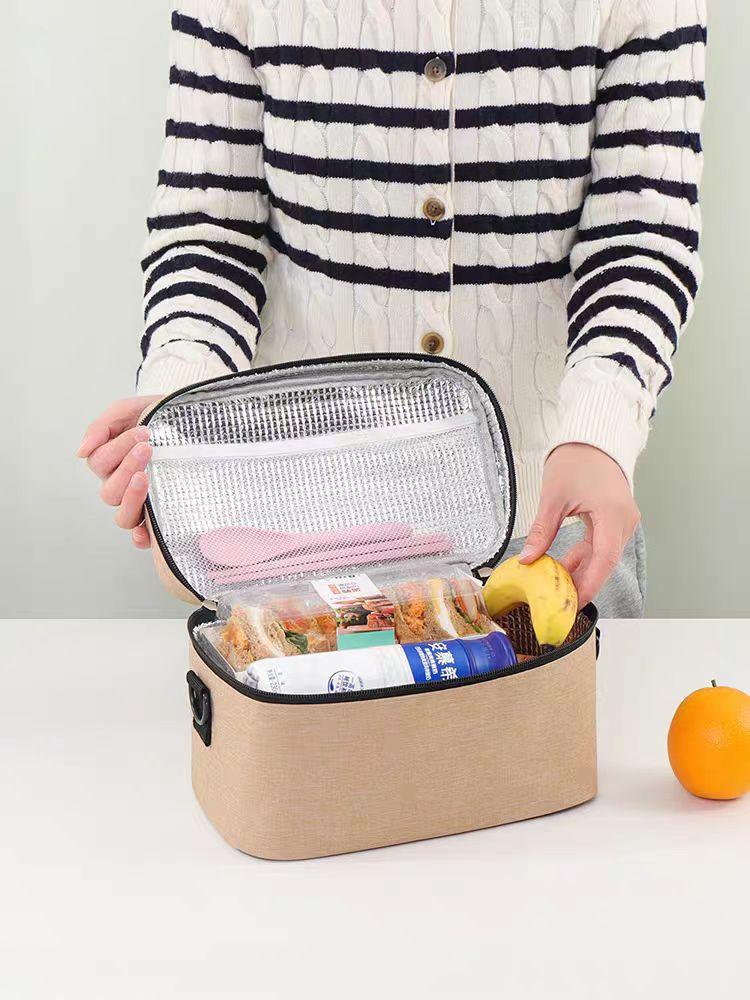
Categorizing the Alternatives: What Are Your Upgraded Options?
Integrated Freezable Bags (The Gel-Wall Approach)
Bags featuring built-in, freezable gel walls eliminate the need for separate ice packs. Brands utilizing this technology embed freezable liquid directly into the lining of the bag. You fold the entire unit flat and place it in the freezer overnight. By morning, the walls are frozen solid, creating a micro-climate that surrounds your food.
- Pros: Maximizes usable interior space by removing bulky ice blocks. Provides consistent, 360-degree cooling directly against the food containers. The cooling source surrounds the food entirely rather than just sitting at the bottom.
- Cons: Carries a heavier base weight even when empty. Requires dedicated, flat freezer space overnight to function properly. The walls remain stiff and rigid until they thaw, making it hard to squeeze into tight backpacks early in the day.
Hard-Sided Lunch Boxes and Mini Coolers
Rigid thermal boxes bring heavy-duty cooler technology down to a personal scale. They utilize advanced closed-cell foam or vacuum insulation panels. These units look and act like miniature versions of high-end camping coolers. The walls are thick, the hinges are robust, and the latches lock down tight to compress a rubber gasket.
- Pros: Delivers superior crush protection for delicate foods. Features highly durable, puncture-resistant exteriors designed for rough environments. You can drop them, sit on them, or stack heavy tools on top of them without damaging your meal.
- Cons: The rigid footprint cannot compress or fold down when empty. It takes up consistent space in backpacks or lockers regardless of how much food is inside. They also carry a heavier physical footprint.
Modular Bento Systems, Salad Bowls, and Thermal Jars
The shift toward compartmentalized bento boxes paired with vacuum-insulated stainless steel food jars changes how we structure meals. This system focuses on the containers rather than a single outer carrying case. You pack different components in specialized vessels designed for specific temperature requirements.
- Pros: Enforces natural portion control. Keeps delicate greens crisp in dedicated portable salad bowls. Allows users to mix piping hot soups and ice-cold sides in separate, isolated thermal zones. You no longer have to choose between a hot meal or a cold salad.
- Cons: Requires precise container matching to fit into carrying sleeves. Users must verify that individual bento compartments are truly leak-proof to prevent cross-contamination. Washing multiple small components takes more time at the end of the day.
Repurposed Lifestyle and Utility Bags
Many users abandon traditional food carriers entirely. They opt for non-traditional bags like small tactical utility gear bags or compact lifestyle totes lined with aftermarket thermal inserts. This approach allows for maximum customization based on personal style or specific job requirements.
- Pros: Offers high organizational capacity with multiple pockets for keys, phones, and utensils. Utilizes rugged materials or customizable style patterns. Provides discreet, professional styling that blends into office environments without looking like a child's lunchbox.
- Cons: Insulation remains a secondary feature. Users must purchase separate cold packs or drop-in thermal liners to achieve food safety standards. The outer bag offers zero thermal resistance on its own.
Core Evaluation Dimensions for Your Next Alternative
Thermal Retention and Food Safety
The FDA defines the "Danger Zone" for perishable foods as temperatures between 40°F and 140°F. Bacteria multiply rapidly in this range. Delaying temperature shifts is the primary function of any food transport system. Closed-cell rubber foam provides significantly higher thermal resistance than standard open-cell polyurethane foam. Closed-cell structures trap air in isolated bubbles, preventing heat transfer through convection. Real-world cold retention testing shows that premium hard-sided boxes maintain safe temperatures for over four hours, while basic foam fails much sooner. If you work outdoors or leave your bag in a hot vehicle, you need maximum thermal resistance to prevent foodborne illness.
Insulation Material Thermal Retention Capacity Crush Protection Best Use Case PEVA / Thin Foam Low (1-3 hours) None Short commutes, immediate refrigeration Integrated Gel Walls High (4-6 hours) Moderate Long commutes without fridge access Closed-Cell Foam (Hard-Sided) Very High (6+ hours) Maximum Outdoor job sites, extreme heat Vacuum Insulated Stainless Steel Maximum (8+ hours) Maximum Hot soups, strict portion control Capacity, Modularity, and Container Geometry
Measuring usable capacity in liters often misrepresents how much food a carrier actually holds. A 10-liter bag shaped like a tall cylinder will not hold a wide, flat bento box. Dimensional footprint dictates whether standard glass or plastic meal prep containers will sit flat. Users must match their preferred portable salad bowls or bento boxes to the internal dimensions of the carrier to prevent sideways tilting. Sideways tilting leads to leaked dressings and mixed food compartments. Expandable designs featuring zipper gussets adjust volume dynamically. They allow for large containers on heavy prep days and compress for lighter snacks. Always measure the length and width of your largest container before evaluating a new bag.
Durability and Hardware Specifications
Hardware failures render thermal carriers useless. Zippers, top handles, and shoulder strap attachment points represent the most critical stress zones. Look for specific material standards to ensure longevity. High-denier nylon (600D or higher) and TPU-coated textiles resist abrasions and punctures. Water-resistant zippers, specifically from reputable manufacturers like YKK, prevent cold air from escaping and block external moisture from entering. A blown zipper turns a high-end cooler into an open bucket. Pay attention to the stitching around the handles. Box-stitched or bar-tacked handles distribute weight evenly and prevent the fabric from tearing when you load the bag with heavy glass containers and ice packs.
Ease of Cleaning and Leak-Proofing
Understanding the difference between leak-resistant and leak-proof is vital. Leak-resistant carriers handle minor spills as long as they remain upright. If they tip over, liquid will seep through the zipper or the seams. Leak-proof carriers feature welded seams and airtight zippers, trapping heavy liquid spills entirely. High-frequency welding fuses the interior lining together without needle holes. Pull-out or seamless molded liners simplify daily sanitization. You can wipe down the interior without moisture seeping into hidden fabric folds. A seamless interior means you can spray it with a mild bleach solution, wipe it dry, and have it ready for the next day without worrying about trapped odors.
Conceptual Trade-Offs and Overall Value
Weight and Bulk vs. Thermal Performance
Maximum cold retention requires thicker insulation and heavier exterior materials. This creates a direct trade-off with portability. Commuters using public transit must balance the need for all-day cold retention against the physical burden of carrying a heavy, rigid box. A hard-sided cooler might keep your food cold for 12 hours, but it adds significant weight to your daily carry. Lighter options increase mobility but demand immediate access to an office refrigerator. You have to evaluate your daily transit route. If you walk a mile to the train station, a lightweight modular system makes more sense than a heavy-duty hard cooler.
Upfront Cost vs. Long-Term Lifespan
Investing in high-retention, hard-sided alternatives yields better long-term economics. Budget carriers with thin foil liners degrade rapidly. You end up replacing them frequently due to broken zippers or mold accumulation. Premium alternatives utilize welded seams and closed-cell foam that withstand years of daily abuse. This durability ultimately reduces total replacement frequency. Buying one high-quality unit that lasts five years is more efficient than buying a new budget bag every six months. The initial investment pays off through consistent performance and eliminated replacement cycles.
Style and Lifestyle Aesthetics vs. Rugged Utility
Workplace and social environments dictate exterior styling choices. Office professionals often prefer discreet, fashionable patterns or sleek, minimalist designs that mimic standard briefcases or totes. You want a bag that looks appropriate sitting on a desk or in a corporate breakroom. Conversely, outdoor job sites or rugged commutes demand high-performance utility. Construction workers and field technicians prioritize abrasion resistance, heavy-duty handles, and structural integrity over visual appeal. A bright floral pattern might look great in an office, but a TPU-coated, mud-resistant exterior is necessary for a job site.
Implementation Risks and Mitigation
Preventing Hardware Failure and Fabric Tears
Overstuffing rigid glass containers into soft-sided alternatives causes severe zipper blowout and seam strain. When you force a square glass bowl into a round bag, the corners push against the fabric, creating high-tension stress points. To mitigate this risk, measure all primary meal containers before purchasing a carrier. Utilize bags with expandable tops, adjustable roll-top closures, or flexible gussets. These features accommodate varying container heights without stressing the hardware. If the zipper resists closing, do not force it. Rearrange the contents or remove an item to protect the zipper teeth.
Managing Condensation and Moisture Buildup
High-performance coolers often sweat or trap internal condensation, turning dry foods soggy. When warm air hits ice-cold gel packs inside a sealed environment, water droplets form on the interior walls. Mitigate moisture buildup by using airtight interior containers for all dry goods. Keep crackers, bread, and chips in sealed hard-sided containers rather than thin plastic bags. Avoid packing room-temperature items directly next to frozen gel packs without a physical barrier. Use a cloth napkin or a dedicated dry compartment to separate the cold zones from the dry zones.
Optimizing Packing Techniques for Maximum Cold
Proper packing techniques drastically extend thermal retention. The way you load the bag matters just as much as the insulation material. Follow these steps to maximize cold retention:
- Pre-chill the interior of the carrier by placing it in the refrigerator or freezer for 20 minutes before loading.
- Chill all food and drinks overnight. Never put room-temperature food into the bag expecting the ice packs to cool it down.
- Place ice packs at the top of the carrier, as cold air sinks downward over the food.
- Minimize empty air space by filling gaps with extra cold packs or dense fruits. Empty air warms up faster than solid mass.
- Keep the bag zipped shut until you are ready to eat. Every time you open it, you lose cold air.
Conclusion
- Measure your most frequently used meal-prep containers to determine the exact internal footprint required before buying a new bag.
- Assess your daily access to an office refrigerator to decide whether heavy-duty closed-cell insulation is strictly necessary for your commute.
- Verify the cleaning requirements of your chosen system to ensure it fits into your daily routine without causing mold buildup.
- Test your current containers for leak-proof seals by filling them with water and shaking them over a sink.
FAQ
Q: How long does a high-quality insulated lunch bag keep food cold?
A: High-quality models using closed-cell foam or integrated gel walls keep food below 40°F for 4 to 6 hours. Hard-sided premium coolers extend this to 8 hours or more, depending on the ambient temperature and the volume of ice packs used.
Q: Are freezable lunch bags better than traditional insulated bags with ice packs?
A: Freezable bags offer better space efficiency by eliminating bulky separate ice packs. They provide even, 360-degree cooling. However, they are heavier and require dedicated flat freezer space overnight, whereas traditional bags can be stored anywhere.
Q: How do YETI and Hydro Flask lunch boxes compare in real-world thermal retention?
A: Both brands utilize premium closed-cell foam and offer comparable, high-end thermal retention, easily keeping food cold for over 6 hours. YETI features a more rugged, rigid exterior, while Hydro Flask offers slightly lighter, structured fabric designs.
Q: Can you put an insulated lunch bag in the washing machine?
A: Most cannot be machine washed. The agitation tears interior foil liners and degrades foam insulation. Spot cleaning with mild soap and water on a damp cloth is recommended to preserve the thermal materials and waterproof seams.
Q: What is the best alternative to a soft insulated lunch bag for outdoor workers?
A: Hard-sided mini coolers are the best alternative for outdoor workers. They offer maximum crush protection, utilize thick closed-cell foam for extreme heat environments, and feature durable exteriors that resist punctures and abrasions on job sites.
Q: Do stainless steel bento boxes need to be kept in an insulated bag?
A: Yes, if they contain perishable food. Standard single-wall stainless steel bento boxes conduct heat quickly and offer zero insulation. They must be paired with an insulated carrier and cold packs to maintain safe food temperatures.
Q: How do you accommodate large salad bowls or odd-shaped meal prep containers in alternative lunch boxes?
A: Look for carriers with expandable zipper gussets, roll-top closures, or wide-base footprints specifically designed to lay flat. Always measure the diameter of your largest bowl and compare it to the interior base dimensions of the carrier before purchasing.