-
- Picnic BlanketBeach TowelBeach BagBeach Chair CoverTable Cloth CoverBeach MatCamping MatLunch BagHammockCamping Chair
-
Mesh vs Waterproof Swimming Bags: Which Is Better?
Views: 0 Author: Site Editor Publish Time: 2026-07-03 Origin: Site


Transporting wet gear without ruining dry clothes, electronics, or vehicle interiors is the primary logistical hurdle for regular swimmers. Whether you head to the local pool for a quick morning session or pack for an intensive open-water training camp, managing moisture dictates your routine. Swimmers frequently choose a swimming bag based on aesthetics or volume, ignoring the fundamental physics of moisture management. This oversight inevitably leads to premature gear degradation, such as mildew buildup and rusted zippers, or water-damaged personal items. Selecting the optimal gear carrier requires evaluating your specific commute, facility constraints, and equipment volume. A bag that works perfectly for a quick walk to a neighborhood pool might fail during a crowded subway commute. This guide breaks down the technical and practical differences between mesh and waterproof bags to help you finalize your purchase decision and protect your gear.
- Mesh prioritizes airflow: Ideal for poolside equipment storage (fins, kickboards) where rapid drying and mildew prevention are the primary success criteria.
- Waterproof prioritizes containment: Essential for commuters who must isolate wet gear from dry environments (car seats, public transit, office spaces) or protect dry items from external elements.
- Novice friendly: For those starting out or returning to the sport, a simple mesh swimming bag is often the most cost-effective and highly efficient entry point.
- Environment dictates the choice: Your decision should hinge on whether the bag stays on the wet pool deck or travels into dry, climate-controlled spaces.
- Hybrid solutions exist but carry trade-offs: Bags featuring both waterproof compartments and mesh venting offer versatility but generally increase bulk, weight, and cost.
The Core Function of a Swimming Bag: Moisture Management vs. Gear Protection
A purpose-built gear carrier must solve two conflicting problems simultaneously. It needs to allow wet equipment to dry out to prevent bacterial growth while preventing that exact same moisture from leaking onto dry environments. Understanding this dynamic is the first step in building an effective swim kit. You cannot simply throw wet nylon and damp cotton into a dark, unventilated space and expect good results.
Swimmers must safely pack and isolate three distinct categories of gear in a single trip. First, there is the wet gear, which includes swimsuits, caps, goggles, and training aids directly exposed to the pool. Second, you have damp gear, primarily used towels or shower shoes. Finally, there are the completely dry, non-wet items like a change of street clothes, clean shoes, toiletries, smartphones, and laptops. Mixing these zones guarantees a frustrating post-swim experience. If your dry clothes absorb the chlorine water from your swimsuit, your commute becomes highly uncomfortable.
An effective bag is measured by its ability to resist chlorine and saltwater degradation, manage odor, and support the user's specific transit method. The market is strictly divided into open-air systems and closed-loop systems. Open-air designs rely on maximum ventilation, while closed-loop designs focus on absolute containment. Understanding the structural intent of each category is critical before evaluating specific brands or models. You must align the bag's physical properties with your daily logistical requirements.
Consider the physical properties of pool water. Chlorine is a harsh chemical that breaks down synthetic fibers over time. When trapped in a dark, warm environment, it accelerates the degradation of elastic materials in swimsuits and goggles. Therefore, moisture management is not just about keeping your car seats dry; it is about extending the lifespan of your expensive training equipment. Proper airflow or strict isolation dictates how long your gear will last before requiring replacement.
Mesh Swimming Bags: Pros, Cons, and Implementation Realities
Mesh bags are the traditional staple of pool decks worldwide. Constructed from woven polyester, heavy-duty nylon netting, or rubberized mesh, these carriers are engineered for maximum breathability and rapid water drainage. They represent the simplest, most direct solution to the problem of wet gear.
Key Advantages
The primary benefit of a mesh design is unrestricted ventilation. This constant airflow eliminates the trapped humidity that causes bacterial growth, mildew, and lingering chlorine odors. You can literally rinse your gear directly inside the bag under a locker room shower and hang it up to drip-dry. This eliminates the need to unpack and repack wet items, streamlining your post-swim routine significantly.
Furthermore, mesh provides excellent lane-end accessibility and deck organization. It keeps bulky training tools like kickboards, pull buoys, hand paddles, and fins organized and easily accessible at the end of your lane where deck space is highly limited. Lifeguards and facility managers prefer mesh bags on the deck because they do not pool water or create slipping hazards. They are also incredibly lightweight, packable, and cost-effective. A mesh bag adds virtually zero weight to your gear load, can be folded into secondary luggage for travel, and offers the lowest barrier to entry for beginners.
Another distinct advantage is visibility. You can see exactly what is inside your bag at a glance. You never have to dig blindly through dark compartments to find your anti-fog spray or spare goggles. This visual inventory check prevents you from leaving essential items behind in the locker room or at home.
Inherent Limitations
The greatest strength of mesh is also its biggest weakness: zero moisture containment. A loaded mesh bag will soak car seats, clothing, or anything it rests against post-swim. If you place a wet mesh bag on your passenger seat, you will ruin the upholstery. Additionally, it offers a complete lack of security and protection. It provides no defense against rain during a commute and offers zero privacy or protection for valuables, electronics, or dry clothes.
Durability can also be an issue with lower-end models. Thin, unreinforced mesh can snag on locker hinges or tear when loaded with heavy, rigid items like large training fins. Over time, constant exposure to UV rays (if swimming outdoors) and chlorine can cause cheap nylon mesh to become brittle and snap.
Who Should Choose Mesh?
- Beginners and novice swimmers looking for an affordable, highly efficient starter bag.
- Swimmers who leave their bag at the end of the lane and have direct pool deck access.
- Athletes carrying strictly training equipment rather than a dry change of clothes and office work items.
- Users who utilize a separate, dry locker room bag and only need a vessel for wet transport from the pool to the shower.
- Coaches who need to transport bulk equipment for a team and require rapid drying.
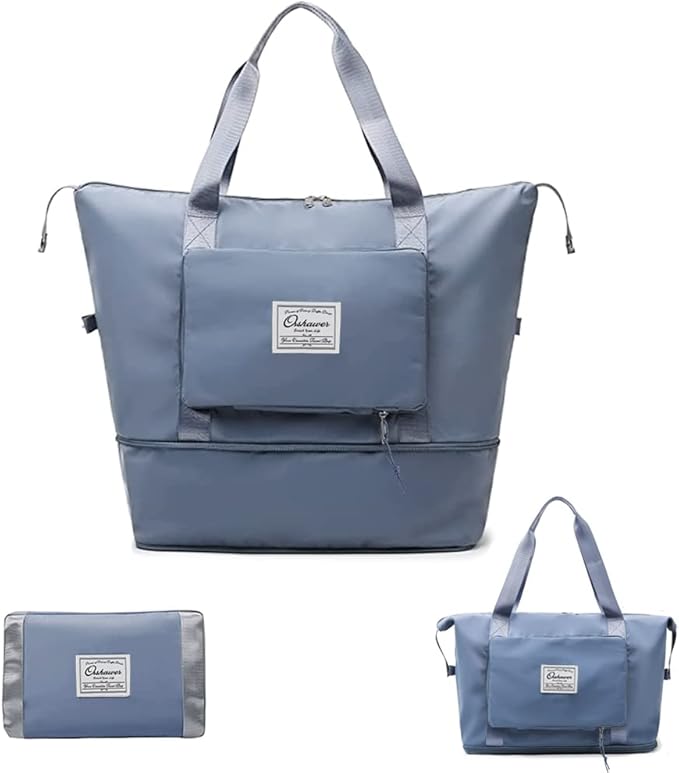
Waterproof Swimming Bags: Pros, Cons, and Implementation Realities
Waterproof options represent the closed-loop approach to moisture management. These are typically constructed from PVC, polyurethane-coated (PU) nylon, or treated heavy-duty tarpaulin. They feature welded seams and utilize roll-top closures or water-resistant zippers to seal the interior environment. These bags are engineered to act as an impenetrable barrier between your wet gear and the outside world.
Key Advantages
The defining feature of this category is absolute moisture isolation. A waterproof bag keeps wet gear completely contained, protecting vehicle interiors, office floors, and other luggage from dampness. You can toss a soaking wet swimsuit and towel into the bag, seal it, and confidently place it on your car seat or carry it onto a crowded bus without fear of leaking.
Conversely, it provides excellent external element protection. It shields dry clothes, towels, and sensitive electronics from rain, splashes, and notoriously wet locker room floors. If you commute by bicycle in the rain, a waterproof bag ensures your office clothes remain perfectly dry. This creates multi-environment utility. A sealed bag transitions seamlessly from the pool to the office, gym, or public transit without leaking.
It guarantees dry zone integrity, ensuring that non-wet items—especially highly absorbent cotton towels and clean underwear—remain dry even if the bag is placed directly on a wet poolside bench. Many waterproof bags also feature structured bases, allowing them to stand upright on wet tiles without absorbing moisture through the bottom.
Inherent Limitations
Waterproof materials create a severe greenhouse effect. They trap moisture and body heat inside the main compartment. If wet gear is not removed promptly upon returning home, it accelerates bacterial growth and causes severe odor. Leaving a wet towel in a sealed waterproof bag for 24 hours will result in a smell that is incredibly difficult to remove.
This creates a higher maintenance overhead. Users must manually wipe down and air-dry the interior after every use to maintain basic hygiene. You cannot simply hang it up and forget about it. Additionally, these bags suffer from increased weight and rigidity. Heavy-duty PVC and tarpaulin are heavier and less pliable than mesh, often taking up significantly more space in cramped locker rooms. They do not compress easily when empty.
Who Should Choose Waterproof?
- Professionals and commuters traveling directly to work, school, or utilizing public transit post-swim.
- Open-water, wild, and ocean swimmers dealing with unpredictable weather, rain, sand, mud, and surf.
- Swimmers who must pack laptops, smartphones, and professional attire alongside their wet gear.
- Cyclists and motorcyclists who need weather protection during their commute to and from the facility.
Evaluation Dimensions: Choosing the Right Bag for Your Routine
Selecting the right equipment requires matching the bag's capabilities to your daily routine. Consider your experience level, transit method, and the specific rules of your local facility. A mismatch here leads to daily frustration and damaged gear.
The Beginner vs. Advanced Swimmer Profile
Novice swimmers typically carry minimal gear, usually just a swimsuit, goggles, and a towel. For this profile, a simple mesh bag or a small dry sack is highly sufficient. You do not need a 45-liter expedition duffel for three small items. Advanced or club swimmers, however, carry extensive training equipment including fins, snorkels, kickboards, and buoys. They require high-volume bags with specialized organizational compartments to keep gear accessible during intense sets.
Masters swimmers and triathletes often carry multiple sets of goggles, specialized paddles, and nutrition products. For these athletes, internal organization becomes just as important as moisture management. A bag with multiple small pockets prevents small items from sinking to the bottom and getting crushed by heavy fins.
Commute and Transport Realities
Your method of transportation heavily dictates your bag choice. Car commuters can often utilize mesh bags if they pair them with a waterproof trunk liner or a dedicated plastic bin in the vehicle. You simply drop the dripping mesh bag into the plastic bin, keeping your car dry while allowing the gear to breathe.
Those relying on public transit, walking, or cycling require waterproof bags or internal dry-bags to prevent dripping on themselves, their electronics, or other passengers during transit. Carrying a dripping mesh bag onto a subway train is impractical and inconsiderate. If you walk long distances, backpack-style straps become mandatory to distribute the weight evenly across your shoulders.
Facility Constraints and Deck Policies
Always check your local pool's regulations. If the facility allows bags on the deck, a mesh bag keeps gear organized at the lane-end without pooling stagnant water on the tiles. Many competitive pools ban large duffel bags from the deck entirely due to space constraints and tripping hazards.
If the facility enforces locker-only policies, a waterproof bag is superior as it protects your dry contents from the inherently damp locker room environment and wet floors. Locker rooms are notorious for wet benches and flooded floors; a bag with a waterproof base ensures your dry clothes stay dry while you shower.
The Three-Zone Packing Method
When evaluating a bag's layout, consider how it supports separating your gear into three distinct zones. Mastering this packing method prevents cross-contamination of moisture.
- Zone 1 (Wet): Swimsuit, cap, goggles, and training aids. These items are soaked in chlorinated water and need isolation.
- Zone 2 (Damp): Towel and locker room footwear. These items are wet but not dripping. They can share space with wet items if necessary but should ideally be kept separate to prevent the towel from absorbing more water.
- Zone 3 (Dry): Street clothes, phone, wallet, and toiletries. This zone must remain strictly dry and protected from both internal moisture and external elements.
Feature Mesh Bags Waterproof Bags Ventilation Maximum airflow; rapid drying Zero airflow; traps moisture Moisture Containment None; leaks easily Absolute isolation; prevents leaks Best For Pool deck, training gear, car trunks Public transit, electronics, open water Maintenance Low; rinse and hang dry High; requires wiping and inversion Weight & Packability Ultralight; highly compressible Heavier; rigid structure The Hybrid Approach: Transition Bags and Dual-Compartment Backpacks
For many athletes, neither pure mesh nor pure waterproof solves every problem. This has led to the rise of hybrid transition bags designed to offer the benefits of both systems within a single footprint. These are highly engineered pieces of luggage aimed at serious commuters and multi-sport athletes.
Balancing Ventilation and Protection
The design architecture of hybrid swim backpacks or duffels usually features a waterproof base or an internal wet pocket combined with external mesh pockets or laser-cut ventilation holes. This allows you to isolate a wet swimsuit in a sealed compartment while letting a damp towel breathe in an external mesh sleeve. You can carry your laptop safely in a padded, dry rear compartment while your wet fins hang on the outside.
However, there are conceptual trade-offs. While offering the best of both worlds, the wet compartments are rarely as breathable as full mesh, and the dry compartments are rarely as secure as a dedicated roll-top dry bag. If the internal waterproof lining fails, moisture will bleed into the dry zones, ruining electronics or clean clothes.
Scalability and Cost
Hybrid bags represent the highest tier of the market. Buyers must weigh the convenience of a single-bag system against the higher upfront cost. There are also potential point-of-failure risks to consider, such as zippers breaking under heavy loads or internal waterproof linings tearing over time. When evaluating a hybrid bag, inspect the stitching between the wet and dry compartments. Welded seams are vastly superior to stitched seams for preventing moisture transfer.
These bags are ideal for triathletes who need to carry running shoes, cycling gear, and swim equipment simultaneously. The compartmentalization allows for rapid transitions and keeps muddy trail shoes away from clean swim goggles.
Material Durability and Maintenance Risks
The harsh chemical environment of a swimming pool and the abrasive nature of open water demand robust materials. Failing to account for material degradation will significantly shorten the lifespan of your gear. Pool chemicals are designed to break down organic matter, and they will aggressively attack cheap synthetic fabrics and metal hardware.
Chlorine Degradation and Saltwater Corrosion
Mesh bags have specific vulnerabilities. Cheap, thin mesh can become brittle and snap after prolonged exposure to UV rays and harsh pool chemicals. Always look for rubberized or heavy-duty polyester mesh for longevity. Nylon mesh absorbs water and chemicals more readily than polyester, leading to faster degradation.
Waterproof bags face different threats, primarily at the closure points. Zippers are the primary failure point on any piece of swim gear. Saltwater and chlorine will quickly corrode standard metal zippers, causing them to seize and break. Evaluate bags for marine-grade plastic zippers, TPU coatings, or rely on roll-top buckles which avoid mechanical teeth entirely. Roll-top closures are virtually indestructible and provide a superior watertight seal compared to zippers.
Material Type Durability Profile Primary Vulnerability Standard Nylon Mesh Moderate; lightweight UV degradation; tearing under heavy loads Rubberized Mesh High; excellent chemical resistance Heavier than standard nylon; higher cost PVC Tarpaulin Extreme; highly puncture resistant Stiffens in cold weather; heavy TPU Coated Nylon High; flexible and lightweight Susceptible to abrasion on rough concrete Cleaning and Upkeep Protocols
Proper mitigation strategies extend the life of any bag. Regardless of material, all carriers require routine freshwater rinsing to remove chemical residue. Do not just rinse your swimsuit; rinse your bag as well. Waterproof bags require strict protocols: inversion, wiping, and complete air-drying to prevent seam rot and toxic mold buildup. Once a month, wipe the interior of a waterproof bag with a mild vinegar solution to neutralize odors and kill lingering bacteria.
Never leave wet gear in your bag overnight. This is the single most common mistake swimmers make. Establish a routine where you empty and hang your bag immediately upon walking through your front door. This simple habit will double the lifespan of your equipment and eliminate locker room odors from your home.
Conclusion
- Audit your daily swim routine and list exactly what you carry to the pool to determine your true volume requirements.
- Measure your largest piece of equipment, usually training fins or a kickboard, to ensure the bag's dimensions can accommodate it.
- Select a primary material category based strictly on your commute method and facility locker room policies.
- Shortlist two to three models that fit your volume needs and rigorously inspect their zipper construction and seam welding.
- Establish a strict post-swim unpacking and rinsing routine to prevent mold growth and chemical degradation.
FAQ
Q: Can I put wet clothes directly into a waterproof swimming bag?
A: Yes, but only for short-term transport. Wet clothes left in a sealed waterproof bag will develop mildew and severe odors within hours due to trapped moisture. They must be removed and dried immediately upon reaching your destination.
Q: I am an absolute beginner swimmer. Which type of bag should I buy first?
A: A simple, high-quality mesh bag is the best starting point. It is highly affordable, lets your gear dry naturally, and easily holds a kickboard, towel, and goggles. If you commute on public transit, you can pair it with a cheap internal dry sack for your wet swimsuit.
Q: How do you keep a swimming bag from smelling?
A: Rinse the bag regularly with fresh water to remove chlorine and sweat, ensure it is completely emptied after every session, and leave it open in a well-ventilated area to dry. For waterproof bags, wipe the interior with a mild antibacterial wipe weekly.
Q: How do I pack my dry towel, clean clothes, and toiletries alongside my wet gear?
A: If using a hybrid or waterproof bag, utilize the Three-Zone packing method. Place wet items in the designated waterproof compartment or an internal dry bag, place toiletries in a water-resistant pouch, and pack your dry clothes and towel at the top of the dry compartment, away from the wet zones.
Q: Is a mesh bag better for swim training equipment?
A: Yes. Training equipment like kickboards, pull buoys, and fins are highly water-retentive. A mesh bag allows these items to drip-dry naturally on the pool deck or in transit, preventing mold growth on the foam and keeping your lane space organized.
Q: What size swimming bag do I need?
A: A 20-30 liter bag is sufficient for basic gear including a suit, goggles, towel, and toiletries. If you carry training equipment like fins and a kickboard, or bulky winter clothing, you will need a larger 35-45 liter capacity.
Q: Can I wash my swimming bag in the washing machine?
A: It depends on the material. Most basic mesh bags can be machine washed on a gentle, cold cycle. However, waterproof bags, hybrid backpacks, and bags with rigid structural elements should never be machine washed, as the agitator can destroy waterproof coatings and tear welded seams. Always hand wash these with mild soap.